Our Story & Beliefs
170 years of faithful presence in Oshkosh. Ancient faith for a changing world.
Our Story
Trinity Episcopal Church stands within a rich spiritual tradition that stretches from the sixteenth-century beginnings of Anglicanism with the Church of England, through the founding of the Episcopal Church in 1789, to the missionary roots of the Diocese of Fond du Lac. Here in Oshkosh, our story begins in 1851, when the first Episcopal services were held in the city.
For more than 170 years, Trinity has gathered generations of believers who seek God through beautiful liturgy, intellectual honesty, deep roots in the wider Anglican tradition, and a lived commitment to justice, hospitality, and reconciliation.
Our Story in Time
Act of Supremacy establishes the Church of England
First Book of Common Prayer authored by Thomas Cranmer
England adopts its enduring Book of Common Prayer
Samuel Seabury consecrated the first American bishop
First General Convention and first American Book of Common Prayer
First Episcopal mission efforts begin in Wisconsin
Diocese of Wisconsin established
First Episcopal services held in Oshkosh
Local mission begins calling itself St. Peter's
Trinity Episcopal Church incorporated on May 11
First Trinity church building consecrated on this site
Diocese of Fond du Lac created
John Henry Hobart Brown elected first Bishop of Fond du Lac
Original building demolished to make way for the present one
Charles Grafton consecrated Bishop of Fond du Lac
First worship held in the present building on Christmas Day
Boys' choir organized at Trinity
Trinity reaches 530 communicants — largest in Wisconsin
"Fond du Lac Circus" photograph becomes an iconic Anglo-Catholic moment
Parish Hall (Women's Guild Hall) completed
Diocese of Eau Claire created from Fond du Lac and Milwaukee
Charlotte Thiessen becomes first woman to serve on Trinity's vestry
Trinity's rector, Fr. James Warner, elected Bishop of Nebraska
Wisconsin dioceses vote to reunify as the Diocese of Wisconsin
A revitalizing, diverse, and growing Episcopal parish committed to worship, justice, and welcome
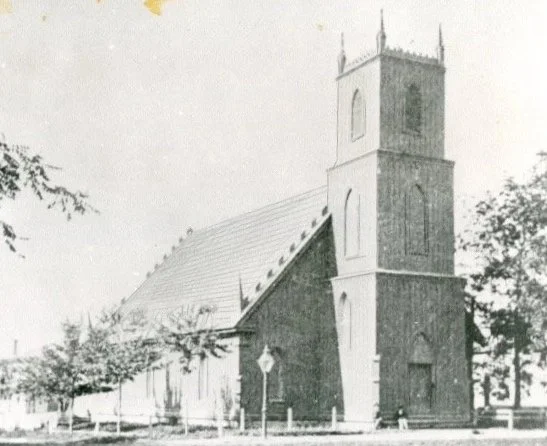
The exterior of Trinity’s original 1857 building
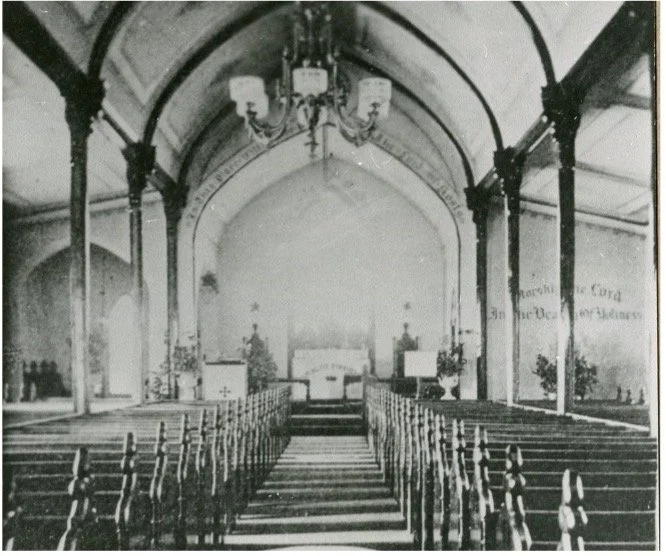
The interior of Trinity’s original 1857 building
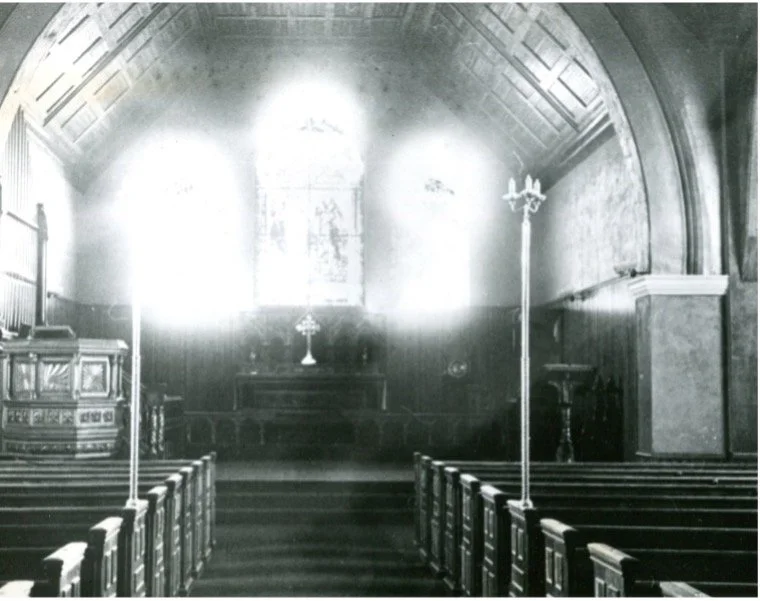
The original interior of Trinity’s current church building, completed in 1889
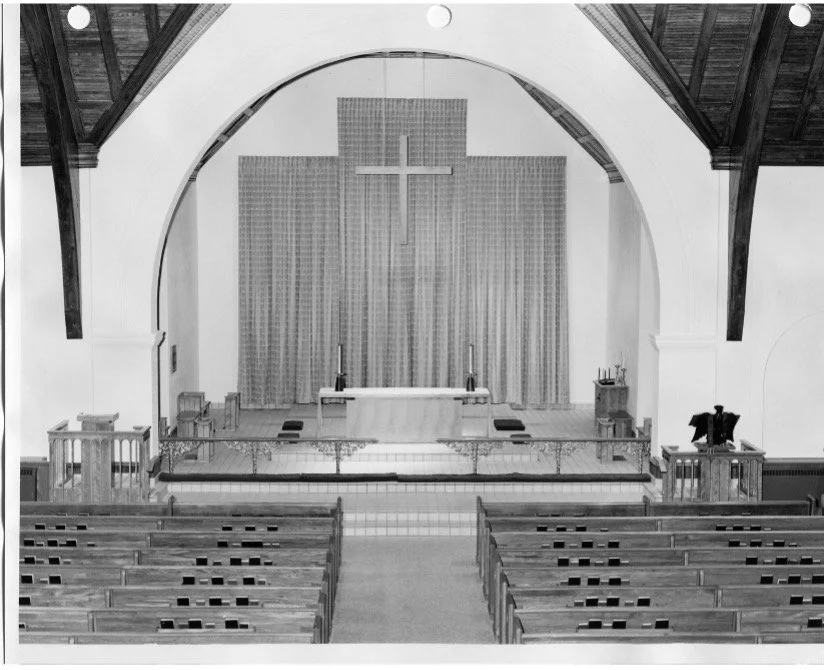
The interior of Trinity’s current church building as it looked in the 1960s.
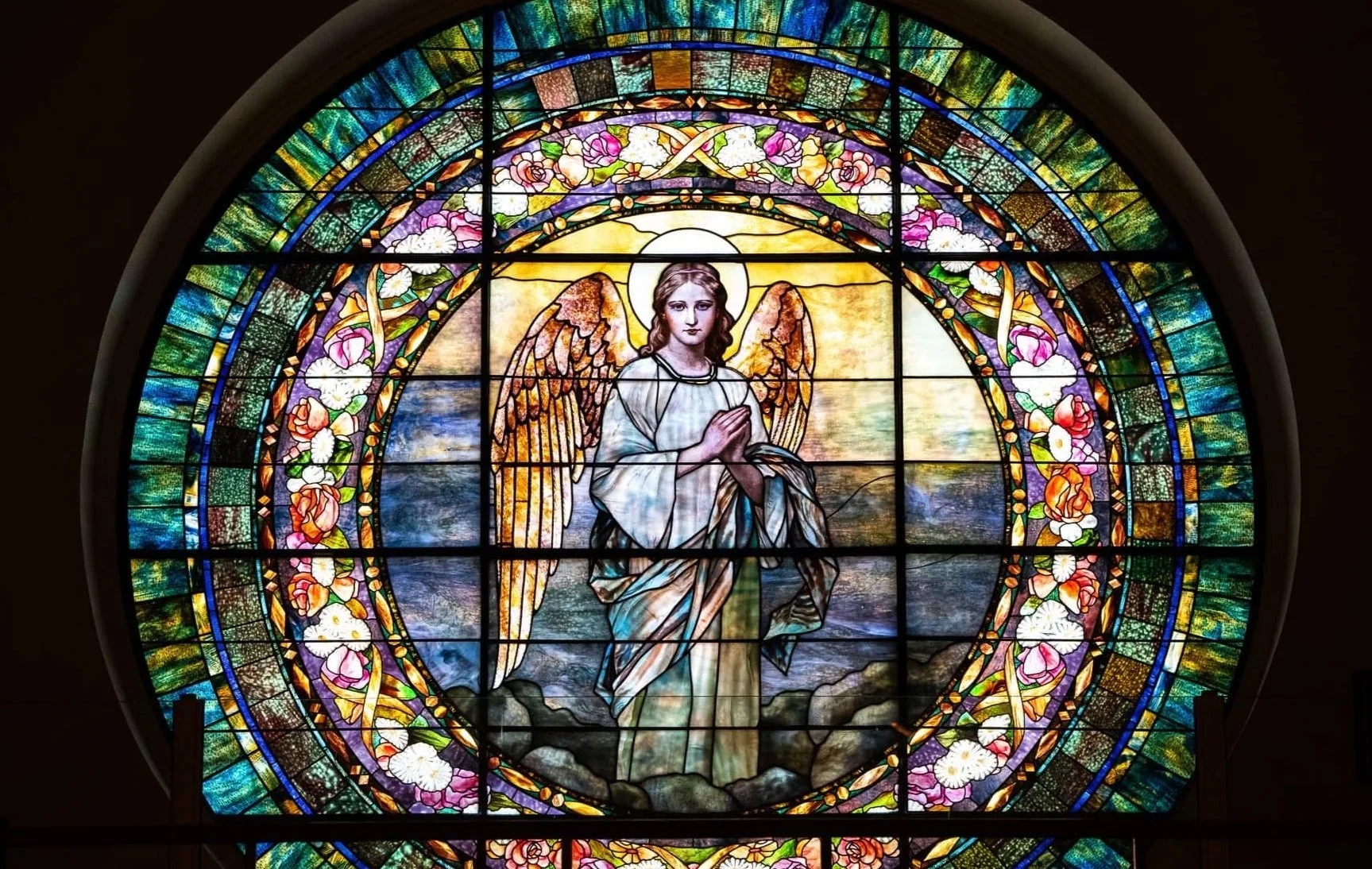
Our Richardsonian Romanesque church building was designed by renowned Oshkosh architect William Waters. With its soaring ceilings and stunning stained glass, it has witnessed countless baptisms, weddings, funerals, and Sunday gatherings. The building itself tells a story—of craftsmanship, beauty, and a community that believes worship space matters.
But we're more than our history. Today's Trinity is a community wrestling with ancient questions through modern lenses, honoring tradition while adapting boldly, and seeking justice alongside liturgical depth.

“To engage with the Church’s past is to see something of the Church’s future.”
— Rowan Williams
Who Are Episcopalians?
We're part of the worldwide Anglican Communion—a family of churches that traces its roots to the Church of England but has flourished with distinctive national character around the globe.
The Episcopal Church is the American expression of Anglicanism. We emerged from the American Revolution as Christians who wanted to keep the beauty and depth of Anglican worship while rejecting royal authority. Our first bishop, Samuel Seabury, was consecrated in 1784, and we've been charting our own path ever since.
What makes us distinctive:
The Book of Common Prayer
Our worship is shaped by a shared, historic liturgy—rooted in the early Church, reformed in the 16th century, and prayed today across the Anglican Communion. It forms us in a way of prayer that is both ancient and accessible.Episcopal Governance
We are a Protestant church led by bishops in historic apostolic succession. This structure preserves continuity with the wider Christian tradition while ensuring that laypeople, clergy, and bishops all share in the Church’s governance.Reformed and Catholic
Anglicanism is fully Protestant in doctrine and origin, yet it retains more of the early Church’s sacramental, liturgical, and communal life than many other Reformation churches. We are shaped by the Reformers, but we never abandoned the richness of historic Christian worship.Scripture, Tradition, and Reason
Anglicans read Scripture in conversation with the wisdom of the Church through the ages and with the God-given gift of reason. These three sources of authority work together—guarding us from narrow interpretations and grounding faith in both depth and integrity.
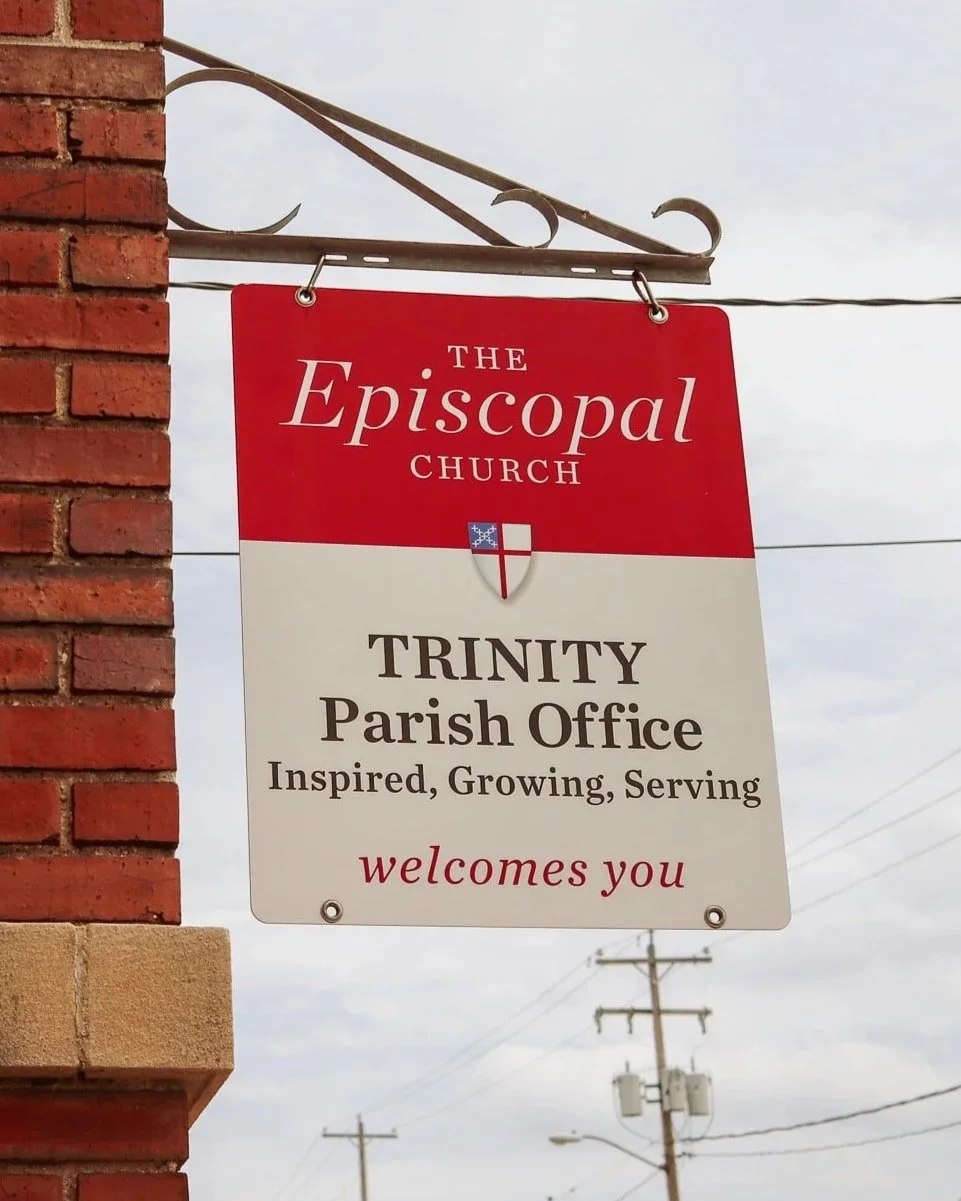
The Episcopal Church shield, seen in the center of our welcome sign, featuring the red cross of St. George on a white field and St. Andrew’s cross on a blue field, symbolizing our English and Scottish heritage and American identity.
“The Son of God did not come to make good people better but to give life to the dead.”
— Fleming Rutledge
The Triune God
We believe in one God eternally existing in three persons—Father, Son, and Holy Spirit. This God created everything in the universe, and created it all good.
Jesus Christ
We believe that the second Person—the Son or Word—became the Jewish human being Jesus of Nazareth. Jesus, who is fully God and fully human, lived among us, taught us, and died on the cross for us all so our sins could be forgiven. He did ll these things so we can return to right relationship with God, grow into who we were created to be, and ultimately be raised from the dead like him.
The Holy Spirit
The Holy Spirit is God's continual presence, empowering and renewing the Church, providing special guidance and protection to Christians, and empowering us to become more and more like Jesus. Any ability we have to respond to God or work alongside God comes from the Holy Spirit working within us.
Scripture
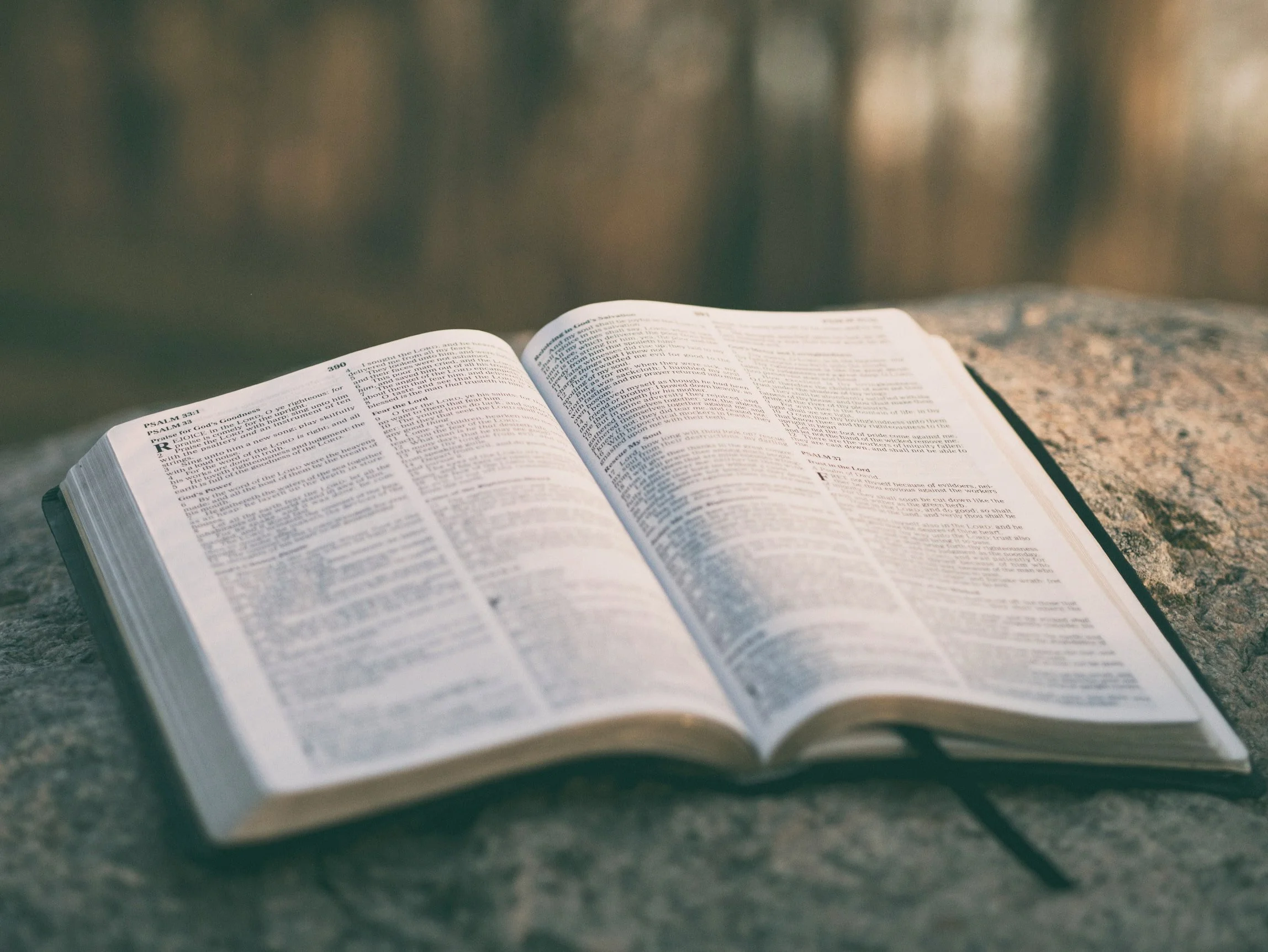
Holy Scripture, or the Bible, is composed of the Old and New Testaments and contains all the things we need to get to know God, return to right relationship with God, and grow into who God wants us to be. Scripture contains all things necessary for salvation and is read through tradition and reason.
The Sacraments
In the sacraments, God meets us with grace through outward and visible signs. The Episcopal Church affirms the two great sacraments of Holy Baptism and Holy Eucharist and at least five sacramental rites, namely confirmation, ordination, holy matrimony, reconciliation of a penitent, and unction.
The Church
The Church is the Body of Christ, gathered for worship, formation, and mission. The Church is not an optional part of Christian life, but is instead the Body of Christ, the community called and set apart by God to proclaim the Good News and live how God created us to live. While God can and does act anywhere God chooses, the Church, through the sacraments and the proclamation of the Word, offers us a place where we can be assured that we can meet Christ.
Salvation Through Grace by Faith
God has given us ways to receive forgiveness and become more like Jesus such as being baptized, receiving communion regularly, being a part of a Christian community (church), and praying and reading the Bible. Having our sins forgiven, coming back to right relationship with God, growing into who God created us to be, and being freed from death are completely the result of God's love freely given (grace) and we do not earn these things through our own power.
The Baptismal Covenant
The Baptismal Covenant is not a set of conditions to be met before we can receive God's grace, but rather expresses the life we are called to live in response to God's grace. This provides the outline of what the Christian life is supposed to be as understood by the Episcopal Church. It includes prayer, worship, fellowship, repentance and confession, sharing the Gospel, serving our neighbors, and working for justice in the world.
Resurrection & Eternal Life
We believe in the resurrection of the dead and the life of the world to come. The Christian hope is not simply for our souls to go to heaven, but for the entirety of our being to be restored to life and wholeness just as happened to Jesus when we has raised from the dead. Our hope is to live out our resurrection lives in the Kingdom of God or New Creation, that time and place where God has completely overcome evil and death and live and act according to God's good will.
Honest Questions Welcome Here
We understand that not everyone who comes here is ready to accept all these claims—and that's OK. Church is not a place for people who already have everything together or figured out. We want to walk with you as you explore these ideas. We are more interested in helping you get to know God's love through Jesus Christ than getting you to accept a checklist of ideas.
What We Believe
Anglicans don't have a single systematic theology. Instead, we're united by shared worship, the creeds, and the principle that prayer shapes belief ("lex orandi, lex credendi"). Here are the core convictions that guide us:

Living Our Beliefs
Faith is not simply what we believe—it's how we live, worship, serve, and love.
Our Values
These six values shape everything we do at Trinity. They're not abstract ideals but lived commitments that guide our worship, fellowship, formation, and justice work.
Prayer
Worship and prayer ground everything we do. We encounter God in liturgy, silence, and sacred space.
Genuine Hospitality
Radical welcome isn't a slogan—it's how we treat every person who walks through our doors.
Ministry with Young People
We invest in children, youth, and young adults as full members now—not just future members.
Active Social Justice
Faith demands action. We work for racial justice, LGBTQ+ rights, climate care, and economic equity.
Service
We serve our neighbors through outreach, community partnerships, and hands-on ministry.
Creative Innovation
We honor tradition while adapting boldly to serve new generations and changing contexts.
Full LGBTQ+ Affirmation
Our congregation (or parish) is LGBTQ+ affirming. While some members of our congregation may hold different views, we as a community hold that being LGBTQ+ is fully compatible with being a Christian and is not sinful.
LGBTQ+ people are welcome to participate fully in our communal life and may take on leadership positions, be married, and receive all the means of grace available to all other members of the community.

“The person who benefits most from reading Scripture is not the person who reads it the most or has the most memorized, but the one who is most turned into it, the one most inspired by the Holy Spirit, the one whose heart and life is most changed into what one reads.”
— Thomas Cranmer (modernized)